
Dragon Copilot helps you document patient encounters, review clinical information, and complete follow-up tasks. This article introduces the Dragon Copilot experience and explains where to find the tools and information you use every day.
Dragon Copilot terms
Before you get started, familiarize yourself with a few common Dragon Copilot terms.
- Dragon Copilot Chat: A place where you can ask questions and generate content using AI prompts, patient information, and documentation.
- AI prompts: A set of instructions or questions used to enhance or support the clinical documentation process.
- Library: A collection of saved texts, prompts, vocabulary, templates, and workflows.
- Memo: A note you create that is separate from a patient's clinical note.
- Note: Clinical summary of your patient visit.
- Transcript: Written version of the conversation between you and the patient.
Tip
Dragon Copilot organizes information around the patient, making it easier to review patient interactions, notes, transcripts, and supporting information.
Overview of the homepage
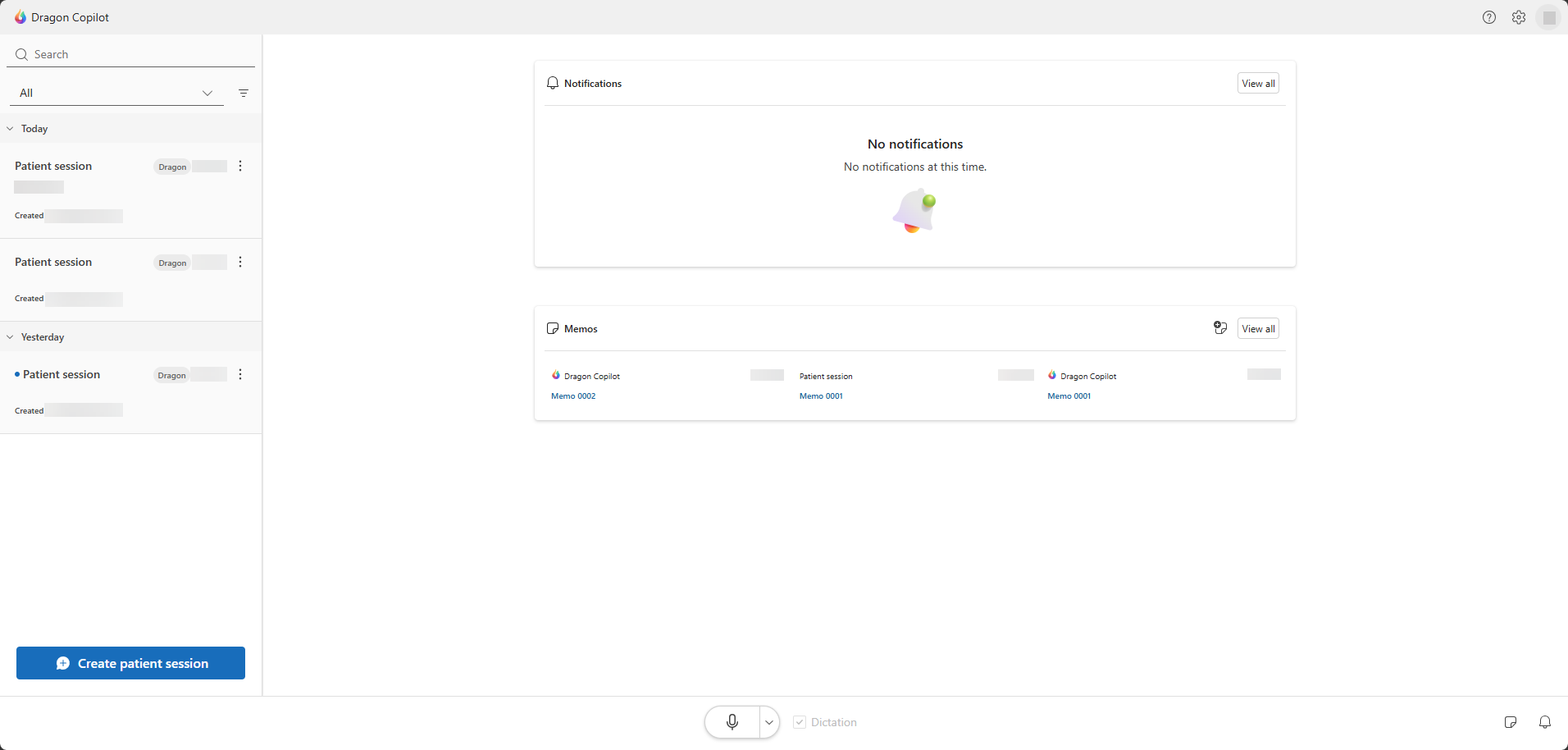
When you open Dragon Copilot, the homepage helps you find patients, review activity, and quickly access your work.
The homepage includes:
- A list of patients.
- Search and filtering tools to help you find patients.
- Notifications and memos.
- A way to create or open a patient session.
- Access to settings, resources, feedback, and other workspace tools.
Note
The notifications and memos only show up on the homepage if you access Dragon Copilot through the web or desktop app with a medium or large screen.
Filter and organize your patient list
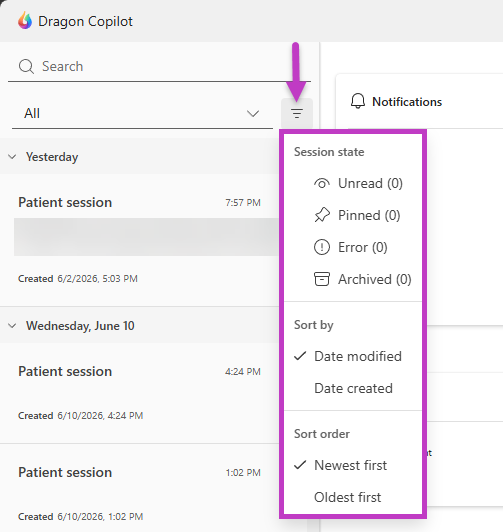
Each patient visit generates a unique session. You can search for a specific session, filter or sort the patient list, or delete a session within the patient list. Filters help you control the number of items displayed in lists. Throughout Dragon Copilot, you can use filters to customize your view.
To filter in Dragon Copilot:
Select the Filter icon
 .
.Check or uncheck options to adjust your view.
Workspace icons
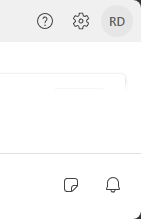
The Dragon Copilot toolbar provides access to commonly used tools and settings.
Depending on your environment and permissions, you might see icons similar to the following icons:
 Help: Access resources, training materials, and support information. Provide feedback.
 Settings: Access settings for ambient recording language, general, microphone, dictation formatting, templates, library, profile, and more.
 Notifications: Review important updates and alerts.
 Memos: View and manage notes that aren't part of the patient’s clinical note.
Resources and feedback
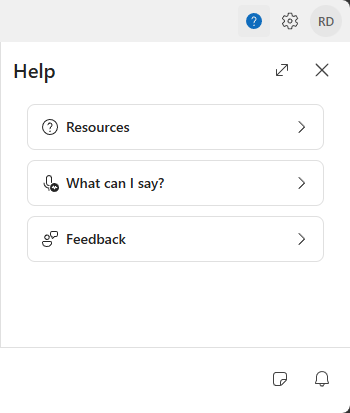
The Help menu provides access to learning resources, product support information, a list of available voice commands, and feedback options. Use it to find helpful content and share feedback about your Dragon Copilot experience.
Desktop views
If you're using the desktop version, you can change how Dragon Copilot displays by changing the view. Choose between standard, narrow, and compact. Learn more about each view.

Overview of the patient session
Select a patient to open the patient session or select Create patient session to start a new patient session.
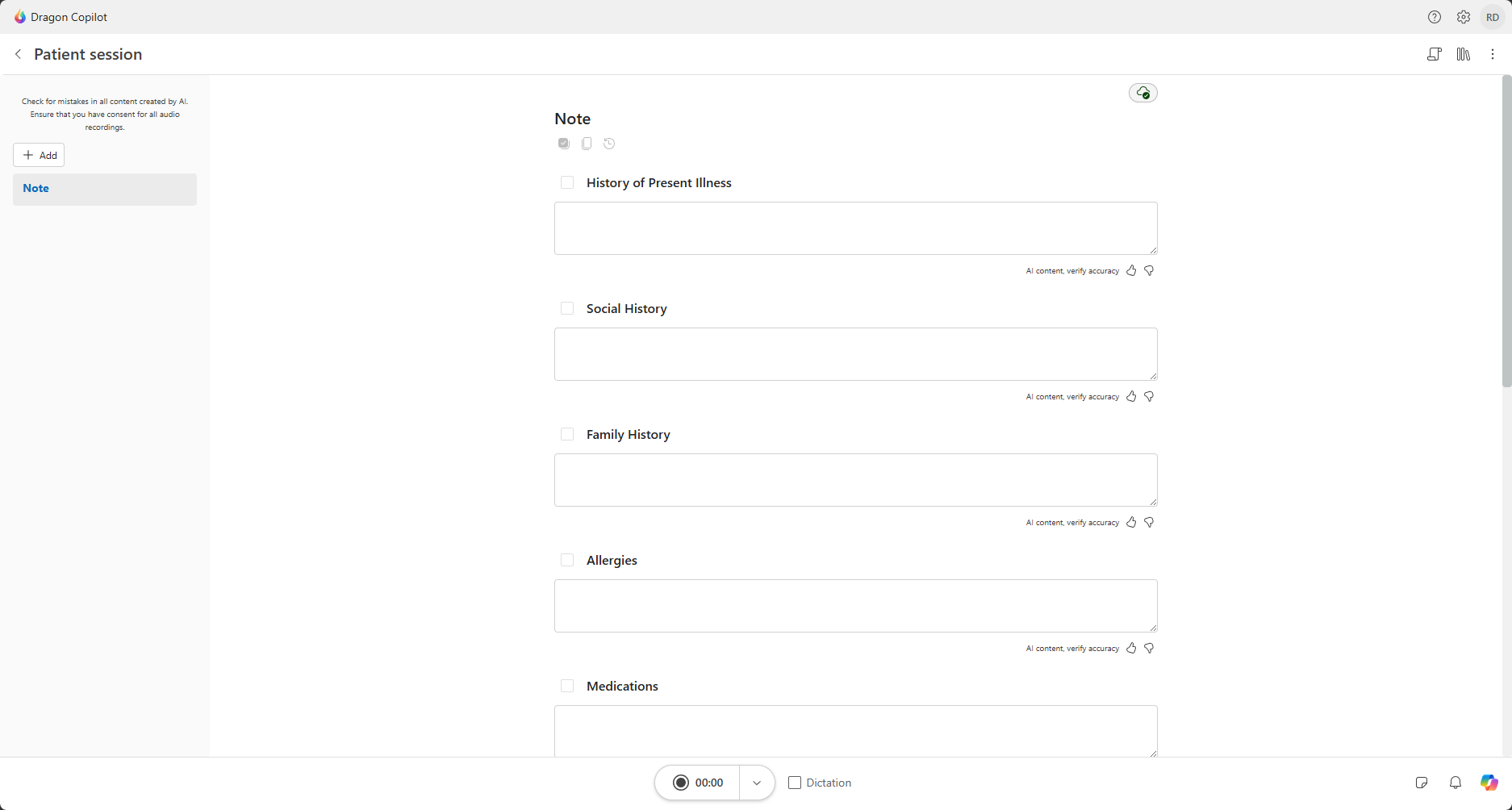
The patient session brings together information related to a patient in a single workspace, making it easier to review documentation, recordings, transcripts, and other patient-specific information.
Patient header and footer
The patient header displays the name of the patient session, which includes any patient details that you fill in the Session details. The header and footer provide quick access to commonly used tools and actions.
The following icons are available in the patient header and footer:
 Transcript: Show or hide the patient transcript.
 Library: Access saved texts, prompts, vocabulary, templates, and workflows.
 Session options: Access the Session details to add patient details, such as the patient name, date of birth, unique identifier, and more. This information displays in the patient header.
 Copilot Chat: Open Copilot Chat to ask questions, generate content, and work with patient information and documentation using natural language prompts.
Dragon Copilot microphone
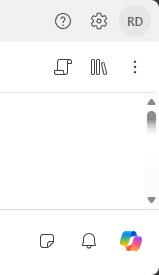
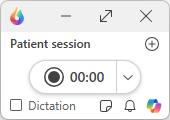
Dragon Copilot uses a single microphone button for both dictation and ambient recording. The microphone button enables you to switch your microphone as needed and quickly access other microphone settings.
Dictation vs. ambient recording
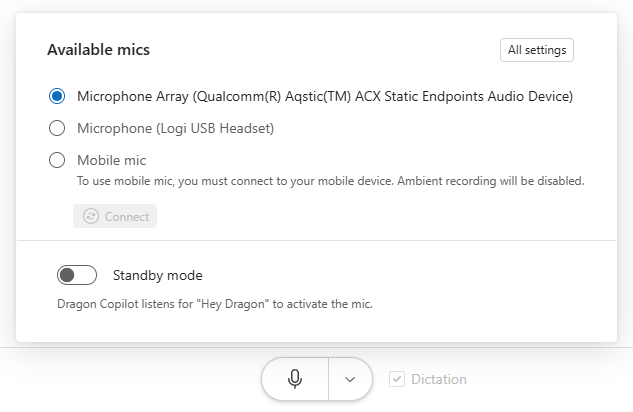
Easily configure the microphone to capture dictation or speech by switching its mode. On the microphone bar, there's a Dictation option which, when checked, enables dictation mode. On mobile, you can find this dictation option in the mic settings next to the mic button.
Dictation: Dictation mode is checked. The microphone is now configured to capture dictation.
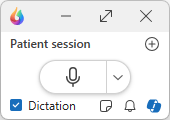
Ambient: Dictation mode is unchecked. The microphone is now configured to capture your conversation.
Tip
Microphone mode is remembered when switching between existing sessions on your worklist.
When a new session is created, the microphone mode defaults to ambient for the session.
Note
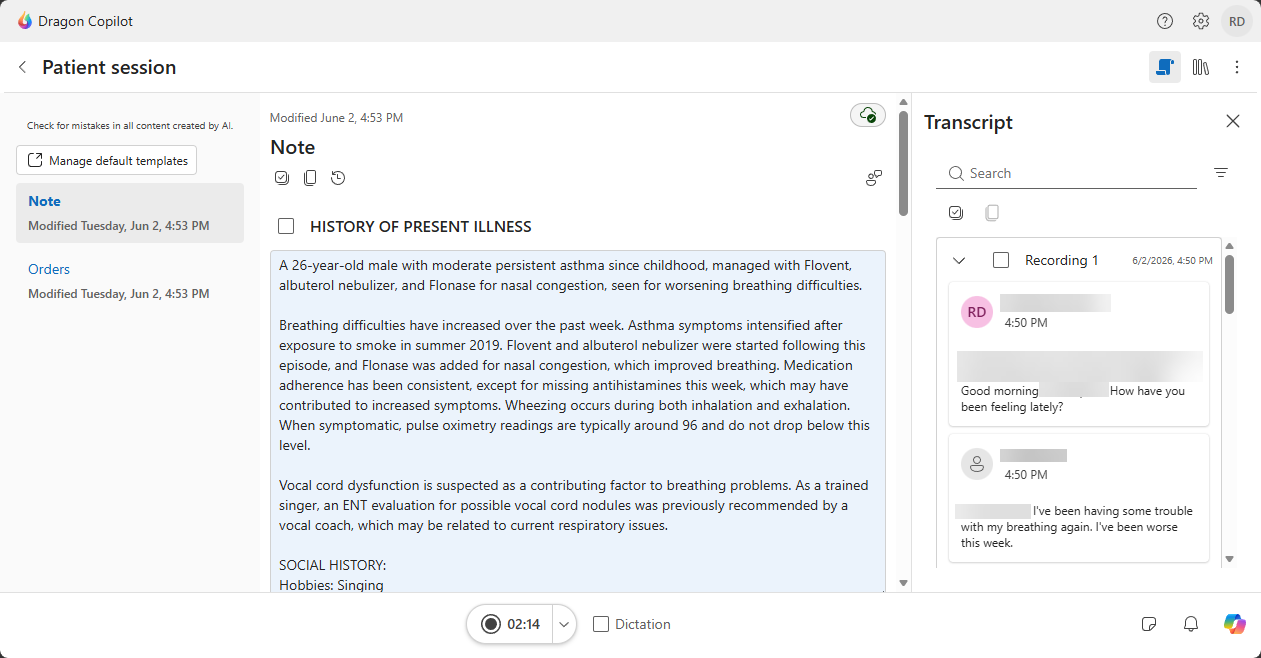
The Note is one of the main types of documents that generates in your session. The content it contains is comprised of AI-generated clinical documentation as well as any updates you make to it.
Transcript
The Transcript contains a written version of the recorded conversation. Each ambient recording generates its own transcript, so you can select and review each transcript individually.
Review the transcript to verify information and better understand how note content was generated.
Dragon Copilot Chat
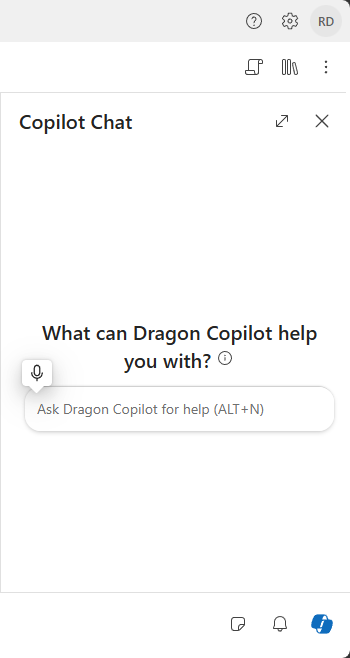
Use Dragon Copilot Chat to ask questions, edit your note, summarize information, and generate content based on available patient information and documentation. Learn more about Copilot Chat.
My library
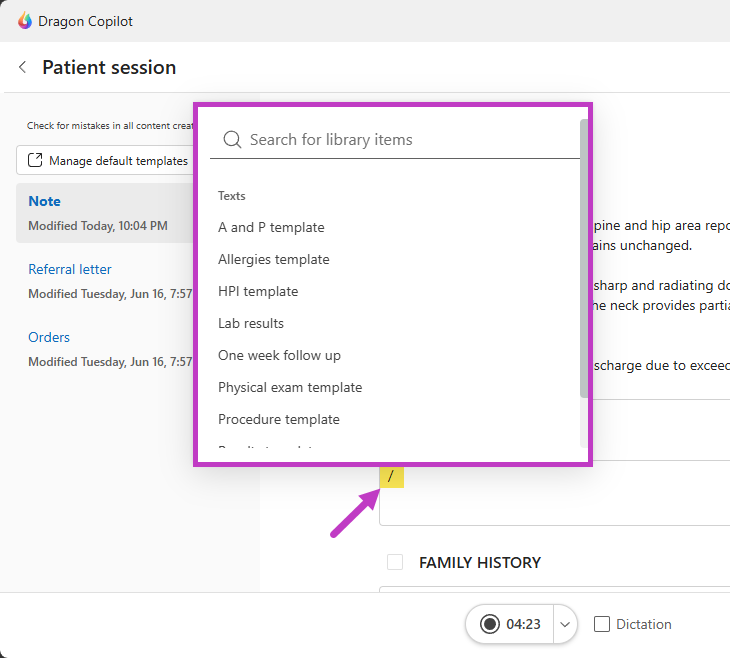
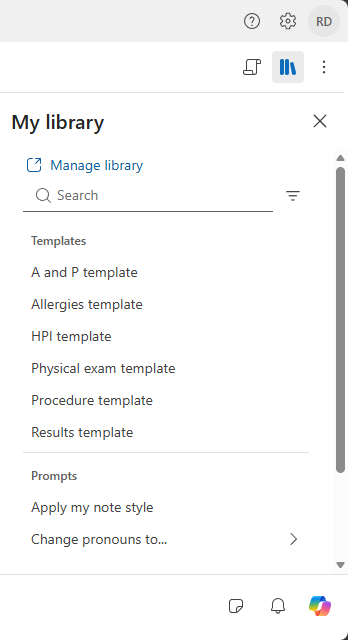
Access saved texts, prompts, and templates that you save in your library without leaving the patient workspace. You can access My library in several ways within a patient session.
- The physical Library icon
located near the top of the session displays prompts and templates. When you select these objects, Dragon Copilot Chat executes them.
- Use a forward slash "/" to invoke the floating library menu in the following edit controls:
- Prompt field in Copilot Chat: Shows prompts and templates.
- Note and document sections: Shows texts and templates.
- Memos: Shows texts.
To see a full list of your library items, select Manage library  . Learn more about the library.
Memos
Create memos within a session or outside of it.
- Within a session: You can access only the memos for that specific session.
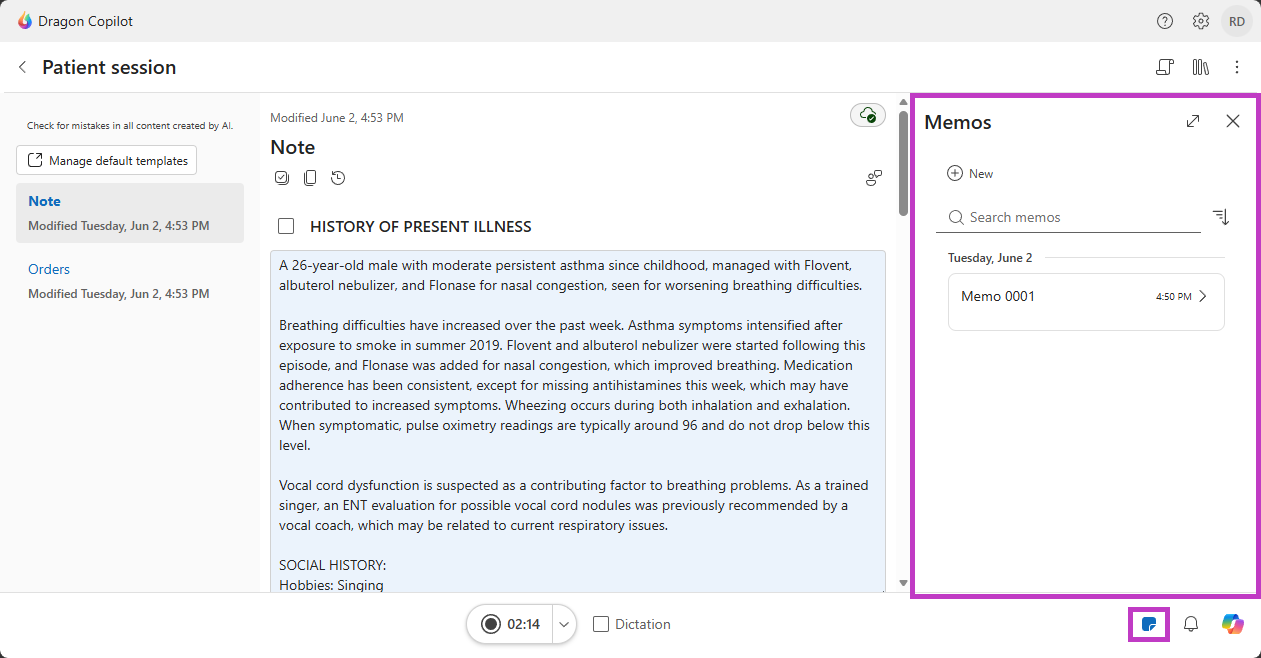
- Outside of a session: You can access all memos, including patient session memos, dictation memos, and memos that aren't associated with a session.
Notifications
View important updates and alerts within a session or outside of it by using Notifications
.
- Within a session: View notifications related to the current patient session.
- Outside of a session: View all notifications, including session, app, and system notifications.